

The Air Inside Your Building Might Not Be as Clean as You Think
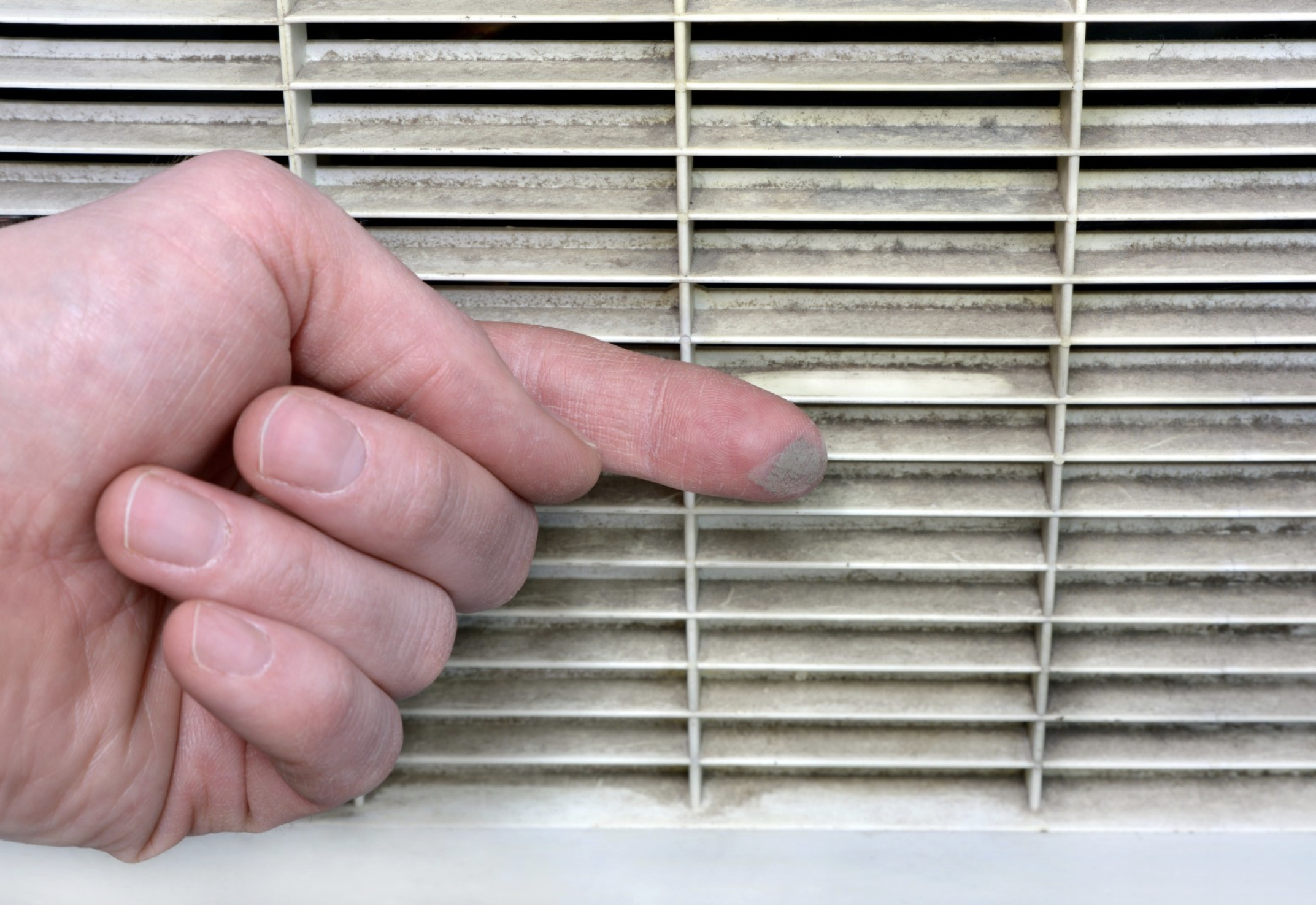
When people think about air pollution, they usually picture traffic, smoke, or smog outside. However, some indoor spaces can contain pollutants that people are breathing in every single day without even realizing it.
From offices and schools to condos and homes, indoor air quality can be affected by hidden issues such as mould, dust buildup, poor ventilation, moisture, and airborne particles trapped inside tightly sealed buildings. What makes this especially concerning is that many of these problems are invisible.
Poor indoor air quality has been linked to symptoms like headaches, fatigue, congestion, coughing, and difficulty concentrating. Sometimes, people may notice a musty smell or stale air, while other times there are no obvious warning signs at all.
As buildings become more energy efficient and airtight, ventilation and environmental assessments are becoming increasingly important. A building may look clean on the surface while hidden moisture or airborne contaminants continue circulating throughout the space.
Social media often focuses on how spaces look, but indoor environments are more than aesthetics. The quality of the air inside a building can have a major impact on both comfort and overall well-being.
