

What’s Really Hiding Beneath Old Paint?
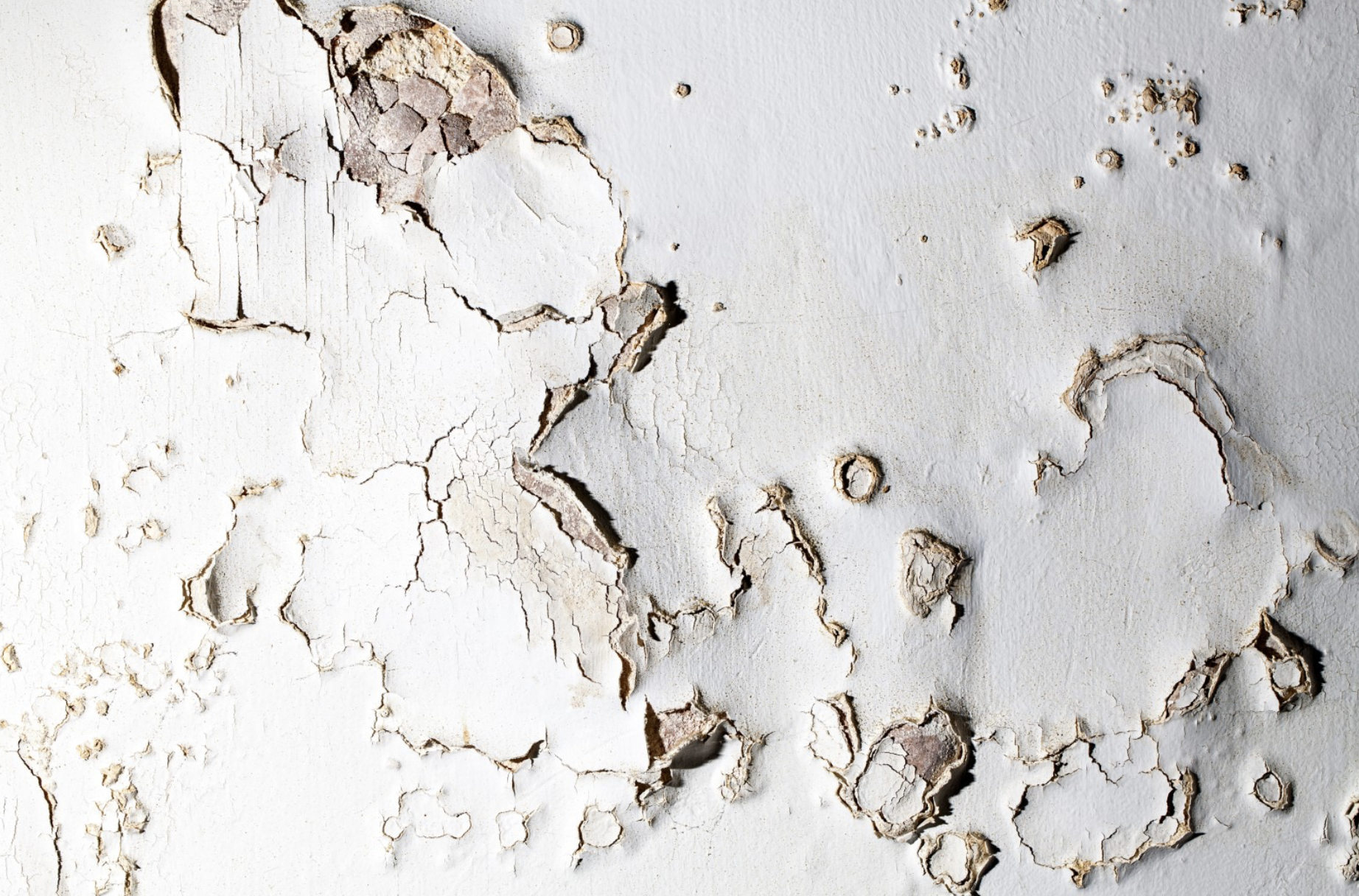
Peeling paint in an older home may seem like a cosmetic issue, but in some cases, it could contain a hidden hazard: lead.
Before stricter regulations were introduced, lead was commonly added to household paint because it improved durability and colour retention. As a result, many homes, schools, and buildings built before the late 1970s may still contain layers of lead based paint today.
The biggest risk often begins during renovation or repair work. Sanding, scraping, drilling, or demolishing painted surfaces can release fine lead dust into the air. Because the particles are microscopic, exposure can happen without people even realizing it.
Lead exposure can pose serious health risks, especially for children, and may lead to developmental, neurological, and behavioural effects over time.
What makes lead especially concerning is that it is not always visible. A wall may look harmless on the surface while older layers of paint underneath still contain lead. This is why proper testing and safety precautions are important before starting renovations in older buildings.
While social media often highlights dramatic home transformations, it rarely shows the environmental testing and hazard assessments that should happen beforehand. Safe renovations are not just about improving how a space looks, they are also about protecting the health of everyone inside it.
