

Environmental Hazards You Can’t See
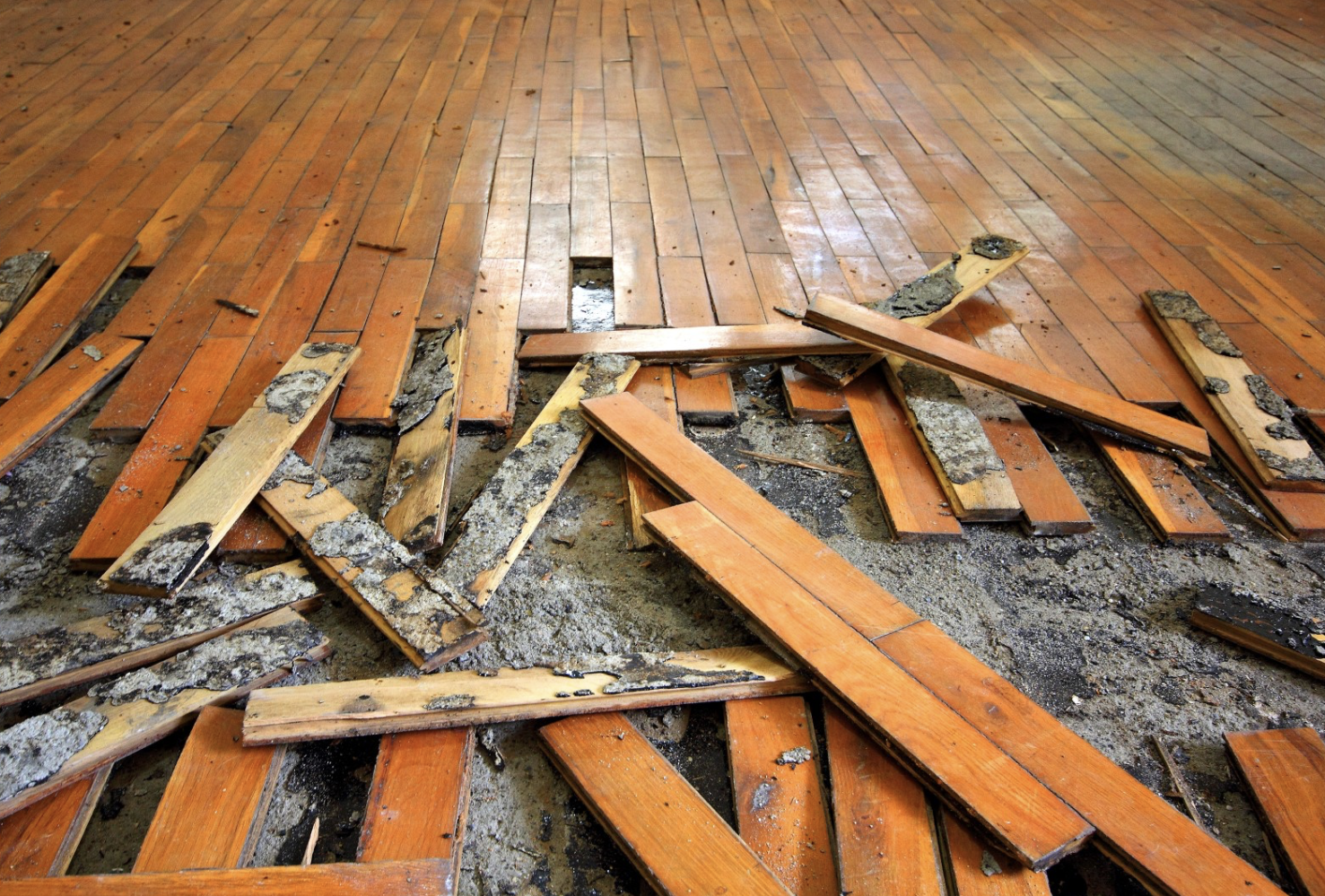
When people think about environmental hazards, they often picture visible problems such as smoke or mould growth. However, some of the most significant environmental concerns inside buildings are completely invisible to the naked eye.
Airborne asbestos fibres, lead dust, mould spores, and poor indoor air quality can all exist within a building without obvious warning signs. In many cases, people may not realize a problem is present until symptoms begin to appear, or renovations disturb hidden materials.
Older buildings can contain materials that were once considered safe but are now recognized as potential health hazards. Renovation or demolition activities may release contaminants into the air when materials are cut, drilled, sanded, or removed.
What makes invisible hazards especially challenging is that buildings may appear clean and well maintained while hidden issues continue to exist behind walls, above ceilings, or within ventilation systems. Proper inspections, moisture assessments, and air testing can help identify concerns before they become larger problems.
Environmental hazards are not always obvious, but understanding the hidden risks within buildings plays an important role in protecting occupant health and creating safer indoor environments.
