

What Most People Don’t Realize About Fire Damage
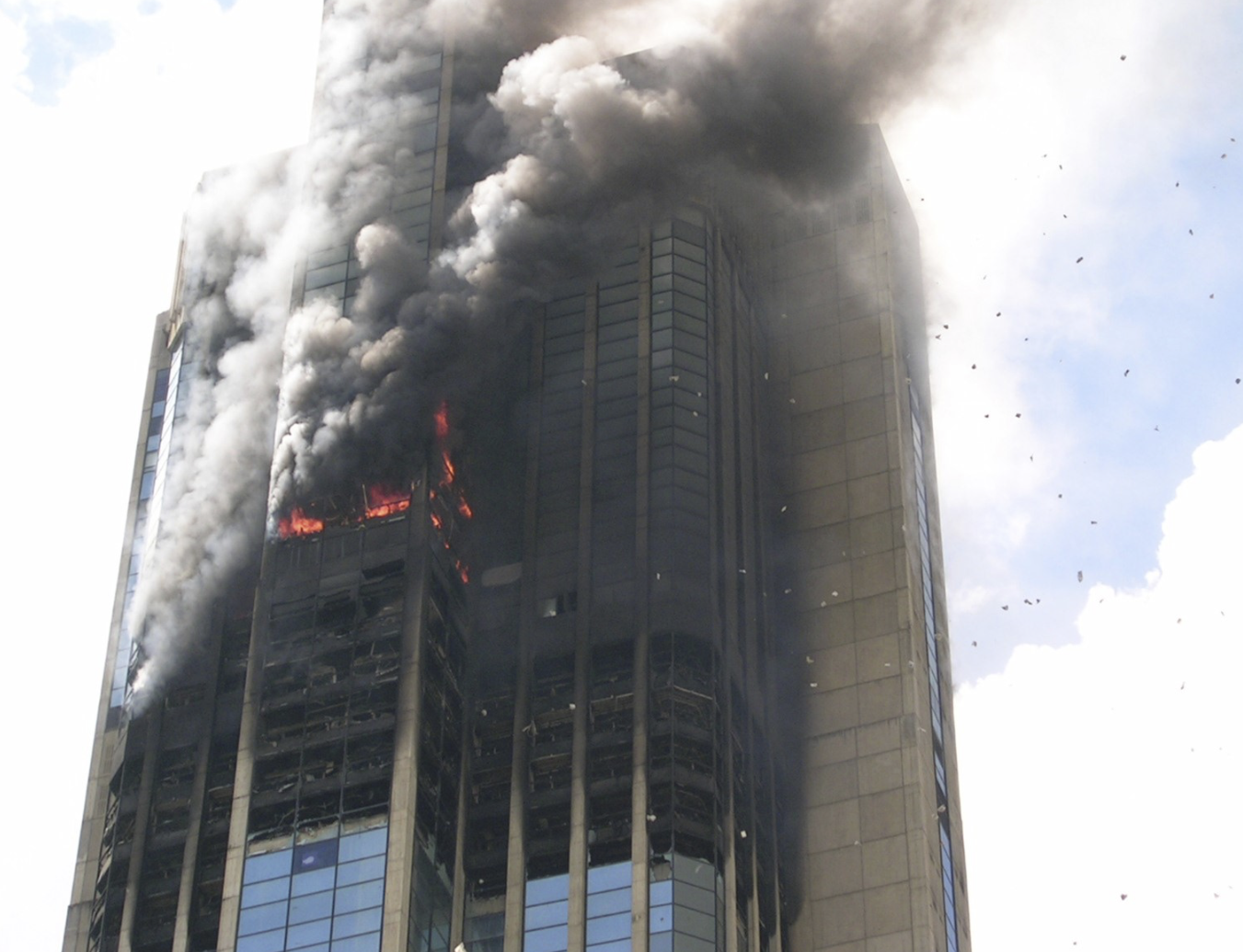
When a fire is extinguished, many people assume the danger is over. However, some of the biggest concerns often begin after the flames are gone.
Beyond the visible destruction, fires can leave behind hidden environmental and structural hazards throughout a building. Smoke, soot, and airborne contaminants can spread through ventilation systems, wall cavities, ceilings, and other hidden spaces, impactingareas far beyond the original fire.
Even areas that appear untouched may still contain smoke residues, lingering odours, and poor air quality. In addition, water used during firefighting efforts can soak into building materials and create conditions where mould growth may begin if moisture is not properly addressed.
What makes fire damage especially challenging is that many problems are not immediately visible. Hidden structural damage, airborne contaminants, moisture intrusion, and hazardous materials may all require professional assessments and testing to fully understand the extent of the damage.
Restoring a building after a fire involves much more than repairing visible damage. Proper inspections, environmental assessments, and restoration planning help ensure buildings are safe for occupants to return to.
